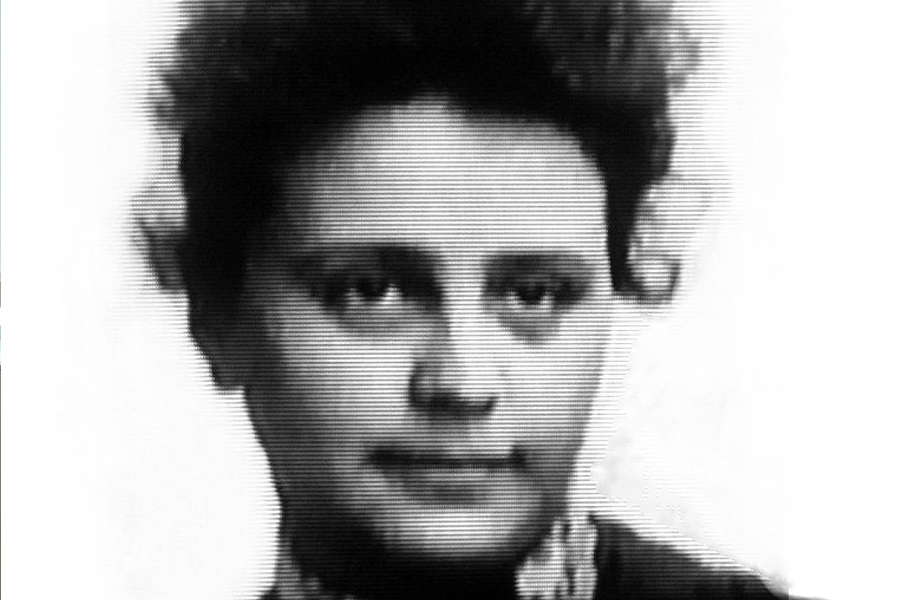
Henrietta Geisel in the Heart of Springfield
My view of Henrietta Augusta “Nettie” Seuss Geisel’s narrative goes beyond a historical footnote in Dr. Seuss’ life. I see a woman whose gentle influence filled a home like music through a window. Nettie was born in Springfield, Massachusetts, in 1878 to a German-American immigrant family that emphasized hard labor, family loyalty, and discipline. Within that structure, she appears to have carried rhythm, play, compassion, and the urge to make everyday situations remarkable.
Nettie was born to Bavarian German parents George J. and Margaretha Katherine Greim Seuss. Industry, communities, immigrant ambition, and persistent family enterprises characterized Springfield in the late 19th century. In such world, kids learnt responsibility early. Same for Nettie. Her childhood was spent at the family bakery, surrounded by flour, heat, and repetition. A bakery is a place of calculated ingredients, aroma, sound, and rhythm. This setting likely strengthened her sense of cadence before she sang rhymes to her children.
At 15, in 1893, she left college to work in the family bakery. Nettie’s choice reflects the age and herself. Although duty affected her career, it did not remove her personality. Every memory of her implies warmth and wit, not resentment. She sacrificed gracefully.
A Daughter of Immigrants and a Keeper of Family Warmth
I assume Nettie’s childhood shaped her home’s tone. In her tight German-American family, job and family were important. Her parents rooted themselves in Massachusetts while preserving culture. Language, food, custom, and family history established an unseen architecture in their houses.
Nettie embodied such architecture but softened it. No one remembers her as severe or distant. Instead, she was fun, loving, and creative. That mix is stunning. Many families facing economic insecurity prioritize survival above sensitivity. Nettie accommodated both. She gave her children a home full of sound, laughter, and creativity while meeting practical needs.
Her story reminds me that influence is not always public. Some people shape culture from a stage. Others shape it from a kitchen, a nursery, or a family parlor. Nettie’s kind of influence was domestic, but it was not small.
Marriage to Theodor Robert Geisel
Nettie married Theodor Robert Geisel around 1901 or 1902, depending on the source. He was born in 1879 to another Springfield German-American family. The family brewery, Kalmbach and Geisel, highlighted the city’s immigrant commercial success and hard work.
Tall, athletic, and steady describe Theodor Robert Geisel. Pre-Prohibition, he ran the family brewery. After the brewery closed, he became Springfield’s public park superintendent, giving the family a new start. From beer vats to public gardens seems symbolic. Despite turmoil, the family survived.
I see Nettie and Theodor as complementary companions. He provided structure and help. She was sparkly and talkative. They made a safe, curious, and expressive home for youngsters. Their home was touched by hardship, but not defined by it.
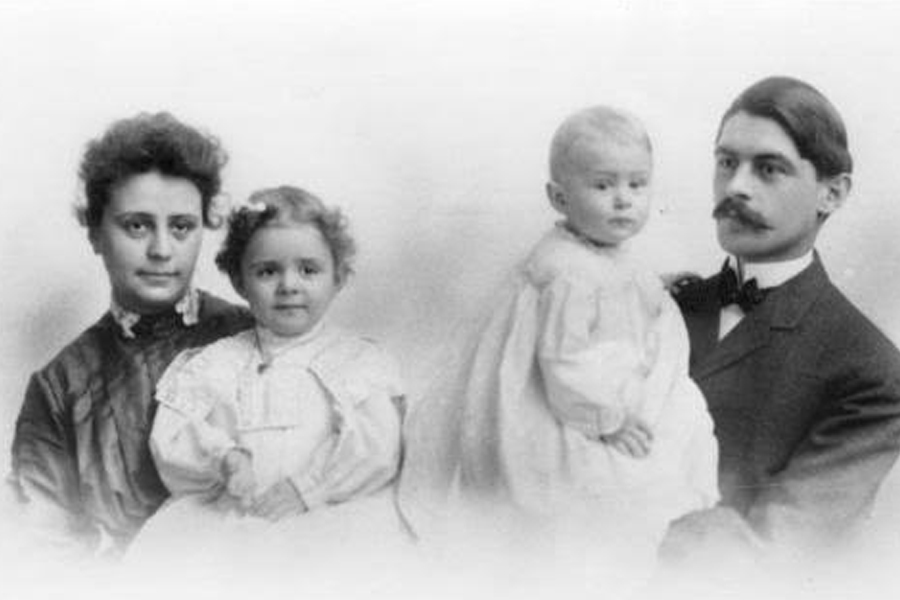
The Children of Henrietta Geisel
Nettie and Theodor raised three children, though one died in infancy. Each child formed part of the emotional landscape of the family.
| Family Member | Birth Year | Relationship to Nettie | Notable Detail |
|---|---|---|---|
| Margaretha “Marnie” Geisel | Early 1900s | Daughter | Older sister who shared the family’s creative childhood |
| Theodor Seuss Geisel | 1904 | Son | Later became Dr. Seuss |
| Henrietta Bertha Geisel | 1906 | Daughter | Died in 1907 from pneumonia |
This small family carried both joy and grief. That duality matters. Many early 20th-century families knew loss closely, and the Geisels were no exception.
Marnie, the Older Sister
The older sister, Margaretha “Marnie” Geisel, was part of Ted’s early life’s close circle. Her presence mattered despite her lesser fame than her brother. Outsiders don’t see siblings’ world. Marnie and Ted shared bedtime noises, family fun, and immigrant identity.
Marnie depicts everyday intimacy around remarkable individuals. Ted was a family boy before becoming Dr. Seuss. His mother guided him, his father provided stability, and his elder sister was nearby. Marnie subsequently married and had children, but she was part of Nettie’s loving circle as a youngster.
Theodor Seuss Geisel and His Mother’s Lasting Influence
Born on March 2, 1904, Theodor Seuss Geisel became known as Dr. Seuss. This is where Nettie’s impact on American literature is most evident. Ted credits his mother for his writing’s rhythmic vigor. He was deeply moved by her lullabies, chants, and singsongs.
She repeated pie names and made up rhymes, making language a bouncing ball. That image matters. Ted heard language at home before writing stories with inconceivable creatures, humorous velocity, and captivating meter. Sounds like his mother taught him words can march, skip, tumble, and giggle.
That sort of influence is easy to underestimate because it leaves no ledger. Yet it may be one of the most powerful gifts a parent can give. Nettie did not publish books, but she helped shape the ear of a boy who would.
She also boosted his practical creativity. Family traditions indicate that Mom encouraged his artistic endeavors rather than correcting him. That detail is telling. Some parents see chaos before skill. It appears Nettie saw potential.
Henrietta Bertha and the Shadow of Loss
In 1906, Nettie gave birth to her youngest daughter, Henrietta Bertha Geisel. In 1907, the child died at around 18 months old from pneumonia. That loss must have struck the family with enormous force. A household can be lively one season and hushed the next. Grief changes the weather inside a home.
Ted’s younger sister’s death would have been his first sadness. For Nettie, losing a child is a never-ending wound. This tragedy shows her perseverance, not her identity. She mothered, nurtured, and held the family together after grief.
The tenderness remembered in her later influence becomes even more meaningful in light of this loss. Warmth that survives grief has a special depth.
The Baby’s Biography and a Mother’s Eye for Detail
Nettie’s meticulous “Baby’s Biography” for Ted is lovely. She described his early life milestones in the book. It went beyond sentimental note-taking. It showed care, love, and a desire to preserve infancy.
I love what this suggests about her character. Nettie was not drifting through domestic life half-aware. She was observant. She watched growth closely. She treated the unfolding of a child’s personality as something worth noticing line by line. In that sense, she was an archivist of wonder.
That book also hints at a mother who recognized that small moments were not really small. First words, early habits, funny incidents, and tiny breakthroughs can vanish if nobody catches them. Nettie caught them.
Prohibition, Economic Pressure, and Family Resilience
Geisel family lived outside bubbles. In the early 20th century, Prohibition caused tremendous upheaval. The family’s brewing ties made that national upheaval personal. A long-standing company identity can collapse. Such political developments affected many immigrant families. They changed livelihoods, routines, and future confidence.
The Great Depression pressures followed. Nettie died in 1931, when the economy was bad and many American houses were uncertain. Her death at 52 or 53 devastated the family. Not just a mother died. A key emotional presence was lost amid a tough national moment.
I think that context sharpens our understanding of her life. Nettie was not sheltered from trouble. She lived through family sacrifice, child loss, business upheaval, and a grim economic period. Yet what survives in memory is not defeat. It is warmth, resilience, and song.
Why Henrietta Geisel Still Matters
Henrietta Geisel shows how artistic legacies begin before public success. Many appreciate the artist but forget the environment that made it possible. Nettie set the mood. Her home cradled rhythm. Her voice boosted language. Her encouragement let kids imagine.
In many ways, she was like a hidden root beneath a famous tree. Most people see the branches, the bright leaves, the strange and delightful fruit. Fewer think about what fed them from below. Nettie was part of that nourishment.
Her life also offers a portrait of women whose work was largely private but profoundly formative. She was a homemaker, yes, but that phrase can sound too small for what she did. She shaped memory, mood, and imagination inside a family that would eventually touch millions of readers.
FAQ
Who was Henrietta Geisel?
Henrietta Augusta “Nettie” Seuss Geisel was the mother of Theodor Seuss Geisel, later known as Dr. Seuss. She was born in 1878 in Springfield, Massachusetts, and was known for her playful personality, family devotion, and love of rhythmic language.
She was Dr. Seuss’s mother. Her bedtime chants, lullabies, and rhyming speech strongly influenced his ear for meter and wordplay.
Who were Henrietta Geisel’s parents?
Her parents were George J. Seuss and Margaretha Katherine Greim Seuss, Bavarian German immigrants who raised their family in Springfield, Massachusetts.
Who was Henrietta Geisel’s husband?
Her husband was Theodor Robert Geisel, born in 1879. He worked in the family brewery business and later served as superintendent of Springfield’s public parks.
How many children did Henrietta Geisel have?
She had three children: Margaretha “Marnie” Geisel, Theodor Seuss Geisel, and Henrietta Bertha Geisel.
What happened to Henrietta Bertha Geisel?
Henrietta Bertha, the youngest child, was born in 1906 and died in 1907 from pneumonia at about 18 months old.
What role did Henrietta Geisel play in Dr. Seuss’s creativity?
She encouraged creativity at home and filled daily life with rhyme, rhythm, and playful speech. Dr. Seuss later credited her as a central influence on his writing style.
Did Henrietta Geisel work outside the home?
Before marriage, she worked in her family’s bakery, especially after about age 15. After marriage, her work centered on raising her family and managing the household.
When did Henrietta Geisel die?
She died in 1931 at age 52 or 53, during the early years of the Great Depression.
Why is Henrietta Geisel remembered today?
She is remembered as the affectionate, imaginative mother whose voice and encouragement helped shape one of the most famous children’s authors in the world.