Basic information
| Field | Details |
|---|---|
| Full name | Timothy J Lea |
| Known for | Television writing credits and his connection to Minnie Driver and their son |
| Public profile | Very limited, private, and lightly documented |
| Notable family member | Henry Story Driver, his son |
| Other publicly tied family figure | Minnie Driver, the mother of his son |
| Career area | Television writing |
A low-profile figure with a visible footprint
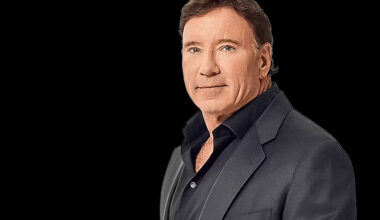
Timothy J. Lea has a restricted but not empty public presence. He is not a glamorous celebrity with regular interviews, red carpet images, or social posts. In fog, his name appears like a little lighthouse, visible in a few locations but vital for what it shows. Part of the image is professional. Another portion is personal. They create a modest, specific, and intriguing profile.
First, Lea appears to have written for television. That important because TV writing is often unseen. The show’s scaffolding is built by writers. Their work can quickly shape tone, story, and dialogue without being the production’s face. Lea’s record reveals a few writing credits spanning shows and years, suggesting a career that crossed genres and formats.
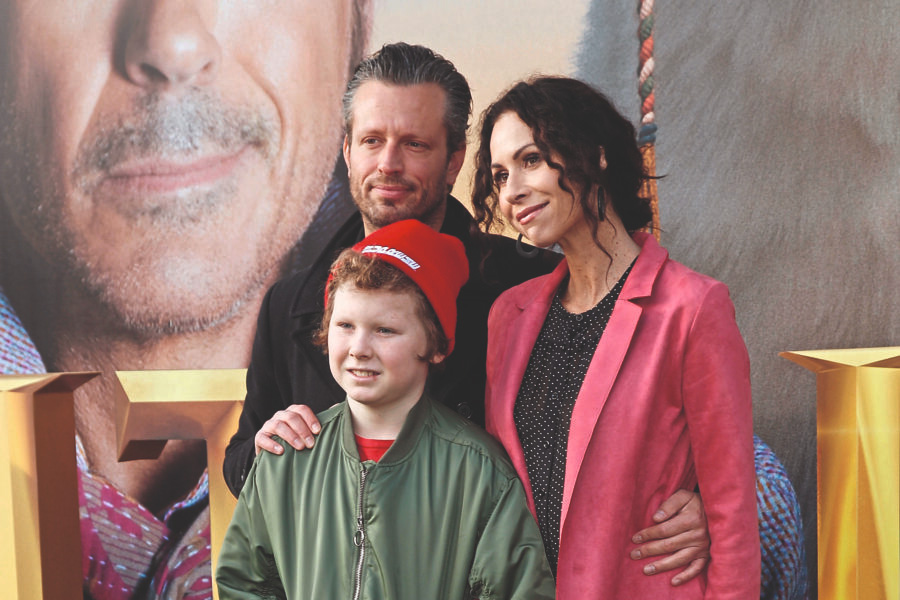
Another thread is personal. His name is tied to Minnie Driver and Henry Story Driver. That kinship offers Timothy J. Lea a second life in public memory based on family history rather than credits.
A brief career in television writing
I find Lea’s career easiest to understand through the shows attached to his name. In 2005, he was credited for an episode of CSI: NY titled “Recycling.” That places him in the orbit of procedural drama, a genre that runs on precision, pacing, and clean structural moves. Writing for a show like that is like balancing on a wire over moving traffic. The episode has to deliver suspense, clue work, and emotional stakes while still feeling sharp and efficient.
A few years later, his name appears with The Riches, a series that ran in 2007 and 2008. That project had a different texture, more character driven and more morally tangled. A writer moving from one kind of series to another is often adapting to different narrative weather, which says something about range.
By 2010, Lea had a credit on Lie to Me for the episode “When the Child Disappears.” That series leaned into behavioral science and deception, with a tone that mixed intrigue and psychological pressure. Then in 2015, his name appears again with Helix for the episode “Soif d’immortalité.” That title alone suggests a darker, more speculative atmosphere.
Seen together, these credits sketch a career that touched crime, drama, psychological suspense, and science fiction. I would not call the public record expansive, but it does point to craft. It points to someone who worked inside television machinery and left fingerprints on several distinct rooms in the house.
Family members publicly connected to Timothy J Lea
The family story that is publicly visible is much smaller than the career outline, but it is the most widely noticed part of his life.
Minnie Driver
Minnie Driver is the central public figure connected to Timothy J Lea. Public reporting says their relationship was brief. That detail matters because it suggests that the connection was real, but not long lived in the public sense. It did not become a long, heavily documented partnership. Instead, it remained compact, private, and mostly discussed later in connection with their child.
I think of this relationship as a short bridge across a river. It mattered because it led to family, but it did not become a large public road. Driver later spoke about the privacy she kept around Lea’s identity and about how his involvement evolved over time. That makes her the most visible adult family member in the public story of Timothy J Lea, even if she is not the subject of the article herself.
Henry Story Driver
Henry Story Driver is the son publicly identified as Timothy J Lea’s child. This is the family connection that anchors Lea’s name in broader public conversation. Henry is important not because of celebrity spectacle, but because he turns Lea from a mostly obscure professional name into a father in the public record.
The use of Henry’s full name, Henry Story Driver, is meaningful. It tells me that this is not just a casual mention of “a son,” but a specific family identity that has appeared in reporting. Even so, the public material remains limited. I do not see a detailed public biography of Henry in the available material, and I would not build one where the record is thin. What I can say is simple and solid: he is the child publicly tied to Timothy J Lea and Minnie Driver.
What the public record does not show
I think it is just as important to name the blanks as the facts. I did not find dependable public information about Lea’s parents, siblings, other children, education, birthplace, or private life outside the Minnie Driver connection. That silence does not mean there is nothing there. It means the public record does not offer much, and I should not invent shape where the evidence is only shadow.
That kind of privacy is uncommon in entertainment writing, where names often get folded into databases and credits without much surrounding biography. Lea appears to be one of those people whose work can be traced more easily than his personal history. In a way, that makes him feel almost archival. A few credits, a family connection, and then a lot of open space.
Why Timothy J Lea stands out
Timothy J. Lea’s intersection of visible and unseen life intrigues me. The television public apparatus treats episode credits as minor proofs of engagement. In contrast, his son is his most important family member.
It generates a profile with two rhythms. Episode titles, years, and credits define career. A child’s name, a brief romance, and staying out of sight define personal existence. Two rhythms don’t clash. They echo.
This has a bigger meaning. Many believe public leaders must be loud to matter. Tim J Lea advises otherwise. You can casually document someone and yet see a trend. A private individual can have meaningful work and a real family story. Not a thunderclap. A footbridge, steps, and wooded trail.
Timeline
2005
He is credited as a writer on CSI: NY for the episode “Recycling.”
2007 to 2008
He is associated with writing work on The Riches.
2008
Public reporting identifies the birth of his son, Henry, with Minnie Driver.
2010
He is credited as the writer for Lie to Me, episode “When the Child Disappears.”
2012
Minnie Driver publicly discussed keeping Lea’s identity private and spoke about his early level of involvement.
2015
He is credited as the writer for Helix, episode “Soif d’immortalité.”
2024
A later entertainment profile again referenced him in the context of Minnie Driver’s dating history and their son.
FAQ
Who is Timothy J Lea?
Timothy J Lea is a private figure publicly known for television writing credits and for being the father of Henry Story Driver, with Minnie Driver as Henry’s mother.
What is Timothy J Lea known for professionally?
He is publicly credited with writing work on several television series, including CSI: NY, The Riches, Lie to Me, and Helix.
Is Timothy J Lea a celebrity?
Not in the usual sense. He appears to be a private person whose name became publicly visible through a mix of screenwriting credits and family connection.
Who are the family members publicly linked to him?
The public record clearly ties him to Minnie Driver and their son, Henry Story Driver.
Does the public record show more about his private life?
Very little. I do not see dependable public detail about parents, siblings, additional children, or a fuller personal biography.
Is there a public net worth figure for Timothy J Lea?
I did not find a reliable public net worth figure.